
January 1, 2026
Top 10 activity ideas for small pets
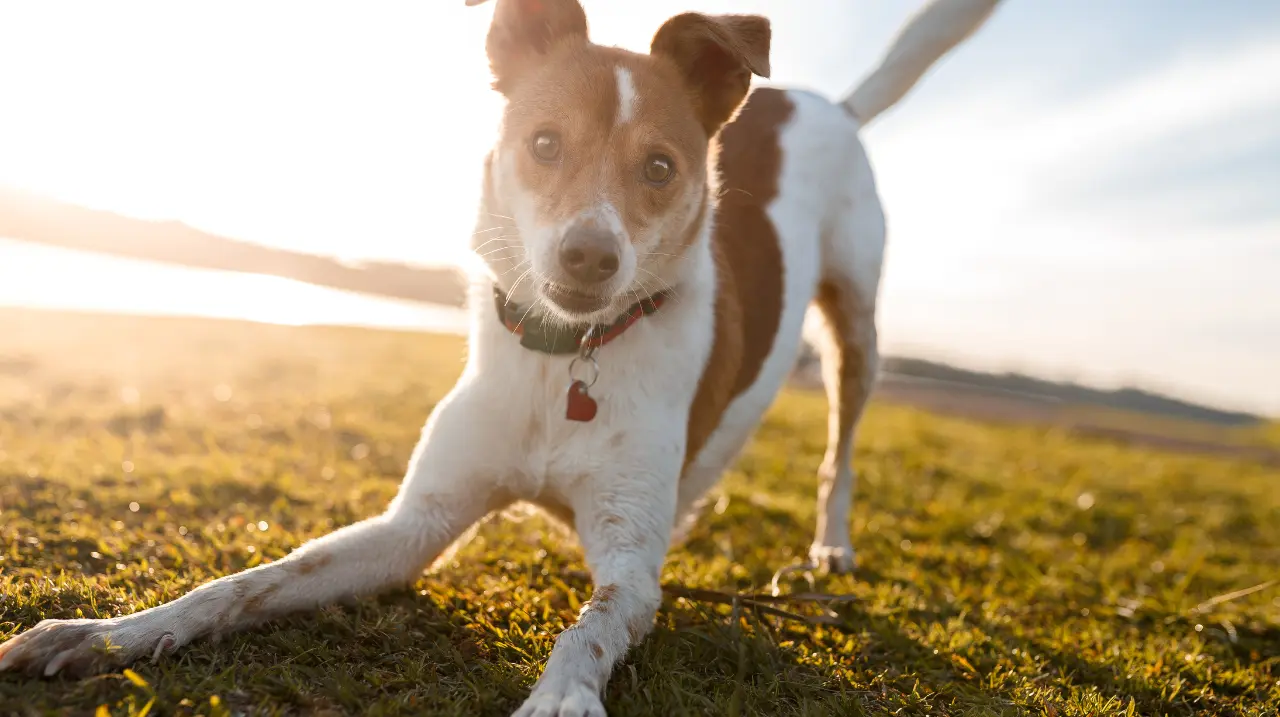
Small dogs and cats often adapt much better to this type of lifestyle than animals of larger breeds, provided that activities are tailored to their needs, temperament, and physical capabilities. Key factors include a sense of security, closeness to the caregiver, predictability, and comfort while moving around – especially in urban environments.
This is precisely why more and more caregivers consciously choose solutions that allow them to spend time together without stress or sensory overload. Activities with a small pet do not need to be intense or demanding – the quality of shared experiences matters far more than pace or the number of attractions.
Below, you’ll find 10 proven activity ideas for small dogs or cats that:
-
strengthen the human–animal bond,
-
provide appropriate mental stimulation,
-
allow you to explore the world together,
-
and fit naturally into everyday life, both in the city and beyond.
These are suggestions for caregivers who want a life with their pet free from pressure – at a rhythm adapted to the animal: calm, mindful, and focused on the comfort of both sides.
1. Exploratory walks – more than just “around the block”
For a small dog or a cat that goes for walks, the key factor is not the length of the route or the number of kilometers covered, but the variety of stimuli and the opportunity to explore the environment at their own pace. Animals experience the world primarily through scents, sounds, and observation – so even a short walk can be extremely valuable if it offers new sensory experiences.
Changing the route, walking in a different direction than usual, discovering new plant scents or passing people, as well as stopping to calmly observe the surroundings, all have a stimulating effect on the nervous system of both dogs and cats. These types of walks support emotional balance, reduce tension, and prevent boredom, which is often the root cause of problematic behaviors.
It’s worth choosing places that encourage calm exploration, such as:
-
quiet streets and residential paths,
-
parks and green areas within the city,
-
squares, promenades, and walking trails,
-
spaces that allow for stopping, resting, and observing the world from a safe perspective.
It’s important to remember that a walk doesn’t need to be long to be valuable. From the pet’s point of view, what truly matters is the quality of the experience, a sense of security, and the opportunity to explore – not the number of steps or the pace imposed by a human. These calm, mindful walks are what build positive associations with leaving the house and strengthen the bond between caregiver and animal.
2. Coffee in the city with your pet – calm presence in the urban rhythm
Having coffee out with a dog or cat is no longer an exception-it’s increasingly becoming a natural part of everyday life for caregivers. In many cities, the number of pet-friendly cafés and restaurants is growing, making it possible to spend time together in a relaxed, informal atmosphere. For small dogs and cats, this is an excellent opportunity for controlled socialization and learning how to exist in public spaces without excessive stress.
From the pet’s perspective, this activity is mainly about observing the world: people passing by, the sounds of conversations, and the smells of coffee or food. When the conditions are chosen carefully, the animal can gradually become accustomed to the urban rhythm, learning calmness and predictability in new situations.
To make coffee with your pet comfortable and safe, it’s worth keeping a few rules in mind:
-
choose venues with moderate noise levels, preferably with outdoor seating,
-
avoid peak hours when sensory stimulation is at its highest,
-
ensure your pet has the option to settle down or hide if they feel the need.
For the pet, this kind of activity is a lesson in calmness and adaptation; for the caregiver, it’s a real normalization of life with a dog or cat. Having coffee in the city together stops being a logistical challenge and becomes a pleasant part of daily life – one where the animal’s needs are naturally taken into account.
3. Short trips outside the city – a change of scenery without pressure
Short trips outside the city with a dog or cat don’t have to mean long journeys or complicated logistics. Sometimes just a short drive is enough to find yourself in a completely different environment—forest, lake, meadow, or a quieter, less urbanized area. For a small pet, such a change can be an