
September 24, 2025
What clothes for a dog in winter?
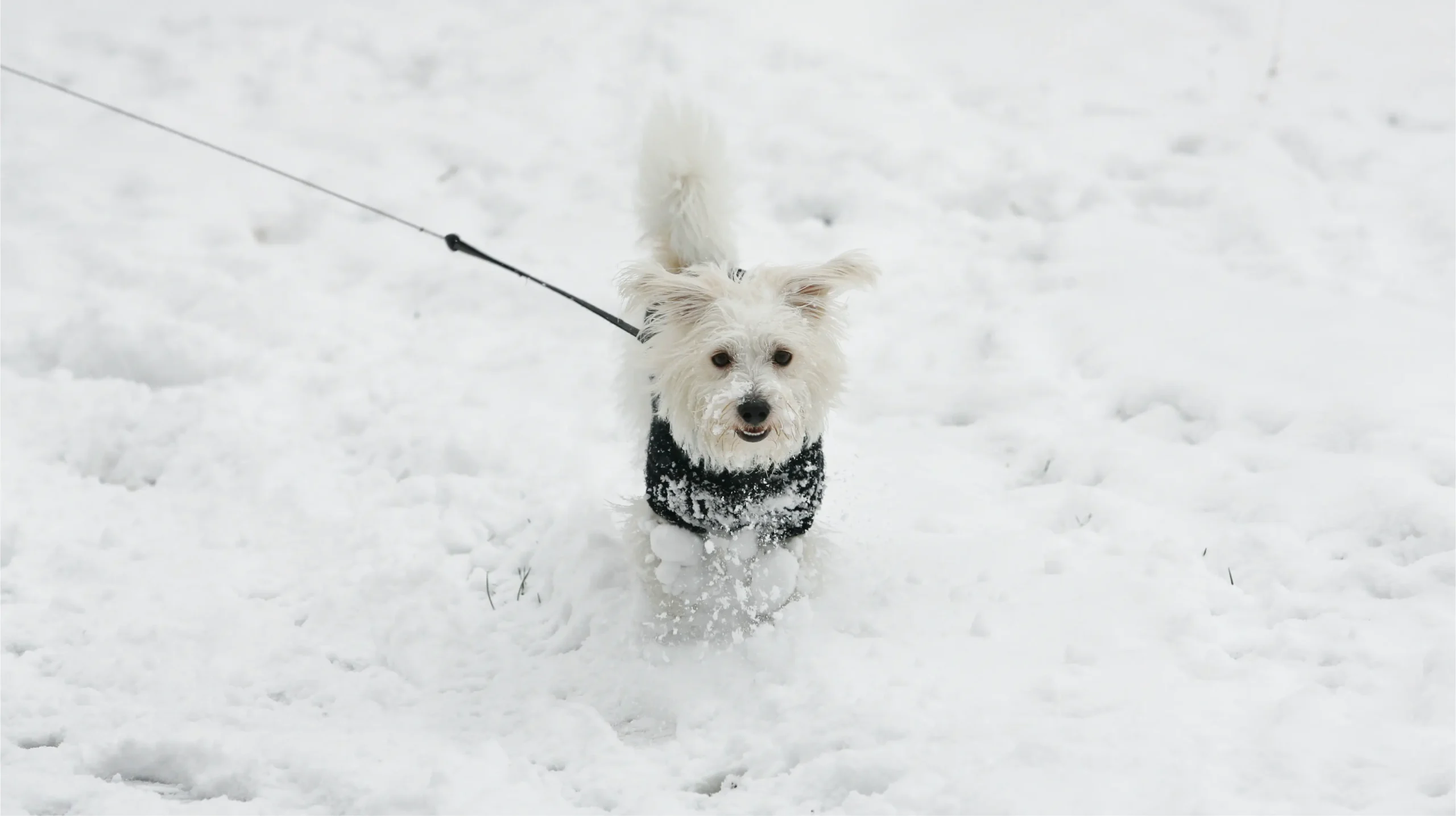
That’s why proper winter clothing for a dog is not a whim but a real necessity. Winter outfits for small dogs not only protect against cold, snow, and wind but also significantly improve comfort during daily walks. A properly chosen sweater, jacket, or jumpsuit is an investment in health – it minimizes the risk of colds, joint inflammation, and weakened immunity.
More and more dog owners see winter accessories not just as a fashion statement but above all as practical health protection for their pets in cold weather. The market today offers a wide range of products – from lightweight, breathable fabrics to insulated, waterproof jackets that effectively protect against frost and dampness. Thanks to this, every owner can choose a solution perfectly tailored to their dog’s needs, ensuring warmth, comfort, and an individual, stylish look.
Why do small breeds need clothes in winter?
Small dogs feel the cold faster than larger breeds because they have less fat and thinner coats, and their bodies lose heat more quickly. Even short walks at low temperatures can be stressful and uncomfortable for them. Proper winter clothing, such as jackets or jumpsuits, protects them from frost, wind, and dampness, allowing them to enjoy winter in a safe and comfortable way.
Anatomy of small dogs – why they’re sensitive to the cold
Miniature dogs such as Toy Poodles, Papillons, or Miniature Pinschers have a body structure that makes it harder for them to cope with winter. Their bodies are light, their fur relatively thin, and they lack a natural insulating undercoat. This means their ability to maintain the right body temperature is limited.
This also means that small dogs have weaker thermoregulation and react to the cold faster than larger breeds. Even short exposure to low temperatures can cause discomfort, and in extreme cases, lead to hypothermia. Their small frames also mean cold wind and dampness reach the skin much faster than in dogs with thick coats.
That’s why owners of miniature breeds should pay special attention to their pets in winter and ensure their comfort during walks. Proper winter clothing for dogs in this case is not a luxury but a necessity.
Rapid heat loss – why do small dogs freeze the fastest?
The body of a small dog has limited ability to store heat. Their miniature size and delicate build mean they lose warmth much faster than larger dogs. In practice, this means that even a short walk on a cold day can lower their body temperature below the comfort level.
Veterinary research shows that small breeds start feeling discomfort at about 7°C (44°F). In particularly sensitive breeds, such as Chihuahuas or Yorkies, symptoms of freezing (shivering, lifting paws, reluctance to walk) can appear even at 10°C (50°F). When the thermometer approaches zero, the risk of hypothermia increases exponentially, which can lead to weakened immunity, joint issues, and in extreme cases even hypothermia.
That’s why it’s important to observe your pet during winter walks and react when they show discomfort. Proper winter clothes – covering the chest, belly, and back – effectively limit heat loss, allowing your dog to enjoy the outdoors regardless of the weather.
Increased health risks for small dogs in cold weather
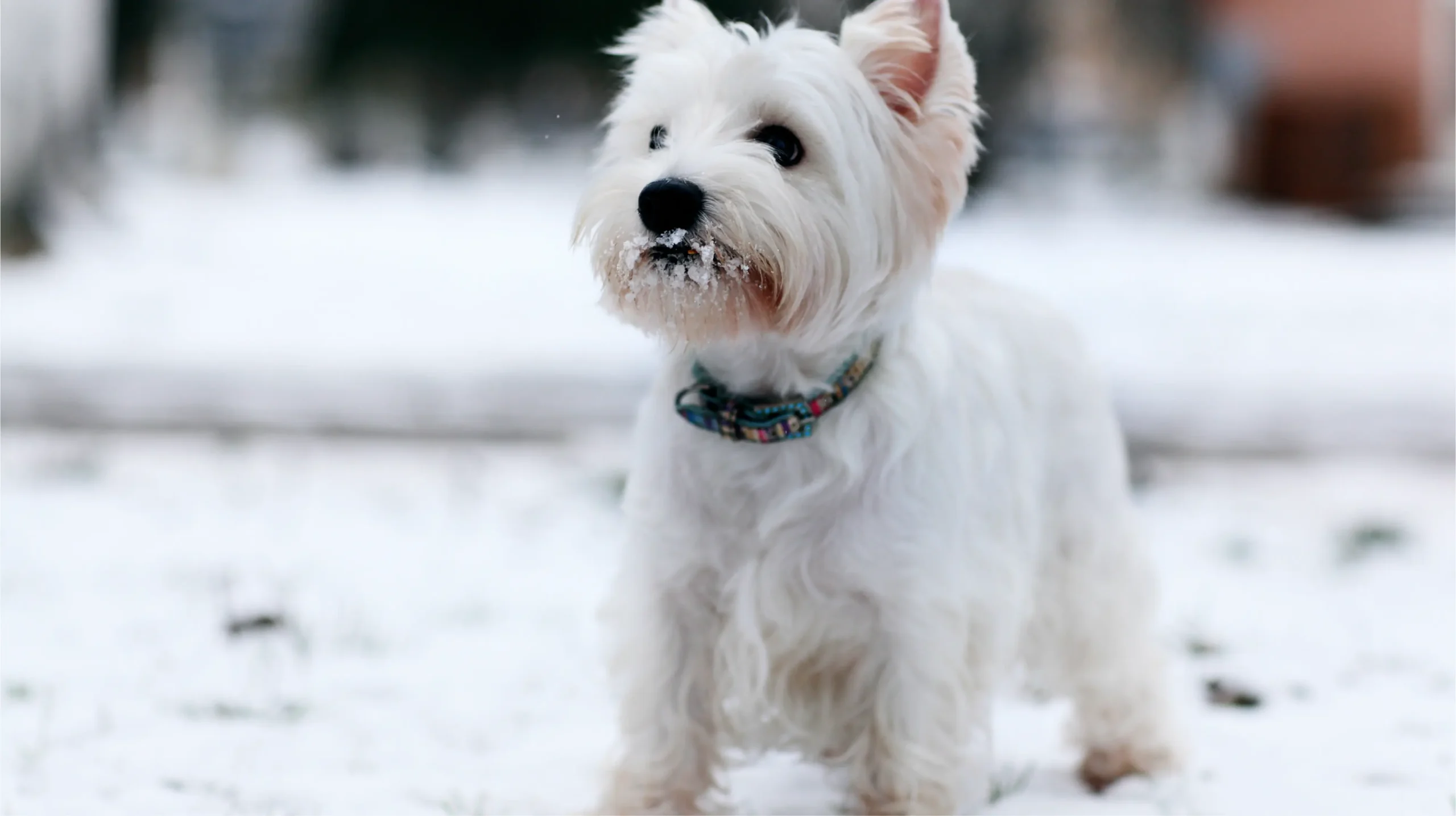
Too much time in the cold isn’t just uncomfortable – for small dogs, it can be a real health risk. Exposed to low temperatures, their bodies cool down faster, which promotes respiratory infections. Miniature breeds are up to twice as likely to catch a cold compared to medium and large breeds.
The cold also affects joints. Regular walks in freezing weather without protection can lead to stiffness, pain, and worsening o