January 1, 2026
Top 10 activity ideas for small pets
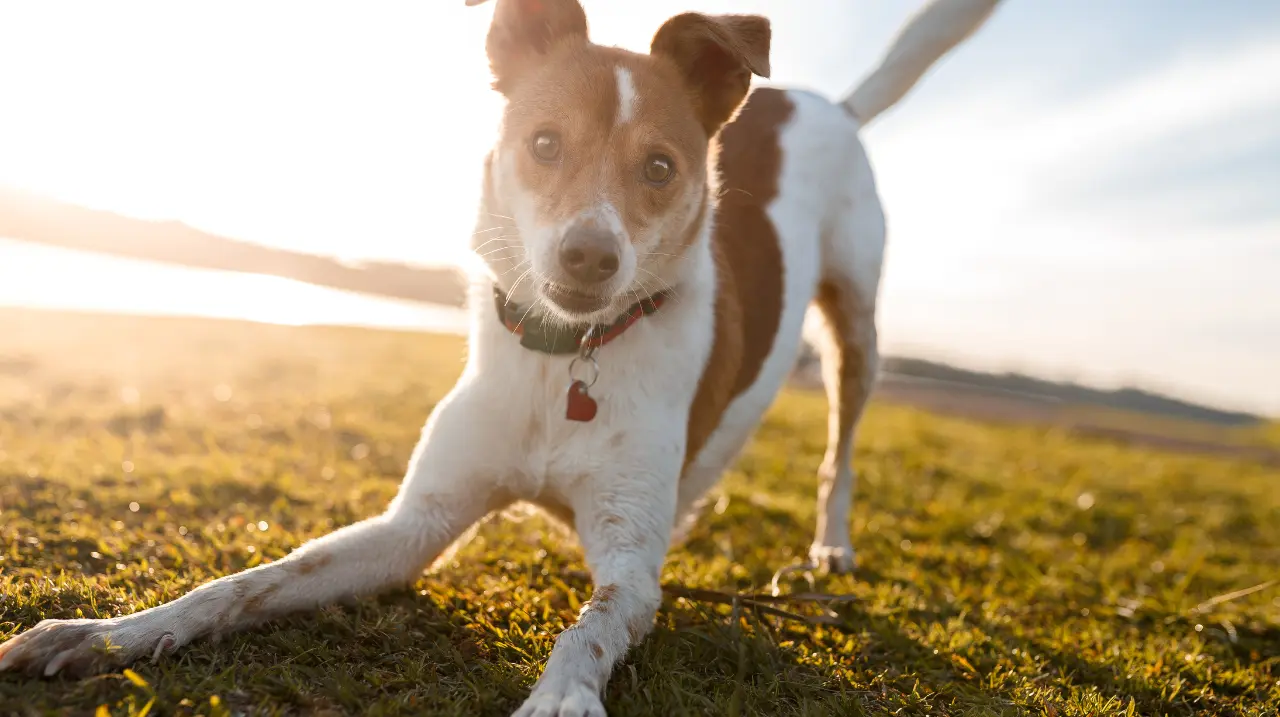
Small dogs and cats often adapt much better to this type of lifestyle than animals of larger breeds, provided that activities are tailored to their needs, temperament, and physical capabilities. Key factors include a sense of security, closeness to the caregiver, predictability, and comfort while moving around – especially in urban environments.
This is precisely why more and more caregivers consciously choose solutions that allow them to spend time together without stress or sensory overload. Activities with a small pet do not need to be intense or demanding – the quality of shared experiences matters far more than pace or the number of attractions.
Below, you’ll find 10 proven activity ideas for small dogs or cats that:
-
strengthen the human–animal bond,
-
provide appropriate mental stimulation,
-
allow you to explore the world together,
-
and fit naturally into everyday life, both in the city and beyond.
These are suggestions for caregivers who want a life with their pet free from pressure – at a rhythm adapted to the animal: calm, mindful, and focused on the comfort of both sides.
1. Exploratory walks – more than just “around the block”
For a small dog or a cat that goes for walks, the key factor is not the length of the route or the number of kilometers covered, but the variety of stimuli and the opportunity to explore the environment at their own pace. Animals experience the world primarily through scents, sounds, and observation – so even a short walk can be extremely valuable if it offers new sensory experiences.
Changing the route, walking in a different direction than usual, discovering new plant scents or passing people, as well as stopping to calmly observe the surroundings, all have a stimulating effect on the nervous system of both dogs and cats. These types of walks support emotional balance, reduce tension, and prevent boredom, which is often the root cause of problematic behaviors.
It’s worth choosing places that encourage calm exploration, such as:
-
quiet streets and residential paths,
-
parks and green areas within the city,
-
squares, promenades, and walking trails,
-
spaces that allow for stopping, resting, and observing the world from a safe perspective.
It’s important to remember that a walk doesn’t need to be long to be valuable. From the pet’s point of view, what truly matters is the quality of the experience, a sense of security, and the opportunity to explore – not the number of steps or the pace imposed by a human. These calm, mindful walks are what build positive associations with leaving the house and strengthen the bond between caregiver and animal.
2. Coffee in the city with your pet – calm presence in the urban rhythm
Having coffee out with a dog or cat is no longer an exception-it’s increasingly becoming a natural part of everyday life for caregivers. In many cities, the number of pet-friendly cafés and restaurants is growing, making it possible to spend time together in a relaxed, informal atmosphere. For small dogs and cats, this is an excellent opportunity for controlled socialization and learning how to exist in public spaces without excessive stress.
From the pet’s perspective, this activity is mainly about observing the world: people passing by, the sounds of conversations, and the smells of coffee or food. When the conditions are chosen carefully, the animal can gradually become accustomed to the urban rhythm, learning calmness and predictability in new situations.
To make coffee with your pet comfortable and safe, it’s worth keeping a few rules in mind:
-
choose venues with moderate noise levels, preferably with outdoor seating,
-
avoid peak hours when sensory stimulation is at its highest,
-
ensure your pet has the option to settle down or hide if they feel the need.
For the pet, this kind of activity is a lesson in calmness and adaptation; for the caregiver, it’s a real normalization of life with a dog or cat. Having coffee in the city together stops being a logistical challenge and becomes a pleasant part of daily life – one where the animal’s needs are naturally taken into account.
3. Short trips outside the city – a change of scenery without pressure
Short trips outside the city with a dog or cat don’t have to mean long journeys or complicated logistics. Sometimes just a short drive is enough to find yourself in a completely different environment—forest, lake, meadow, or a quieter, less urbanized area. For a small pet, such a change can be an incredibly valuable experience.
A new environment affects animals on multiple levels. A change of scenery:
-
stimulates the senses through new smells, sounds, and ground textures,
-
breaks the monotony of daily routes and routines,
-
strengthens the bond with the caregiver, as discovering new places together builds a sense of safety and trust.
For small dogs and cats, it is especially important that the trip unfolds at a calm pace. Taking breaks, allowing time to rest, hide, or observe the world from a safe perspective helps prevent sensory overload.
The most important rule is simple: the pace of the day should be adjusted to the animal – not the other way around. Short trips outside the city don’t need to be intense or “packed with attractions.” It is the calm presence, freedom to explore, and closeness to the caregiver that make such outings truly valuable – for both the pet and the human.
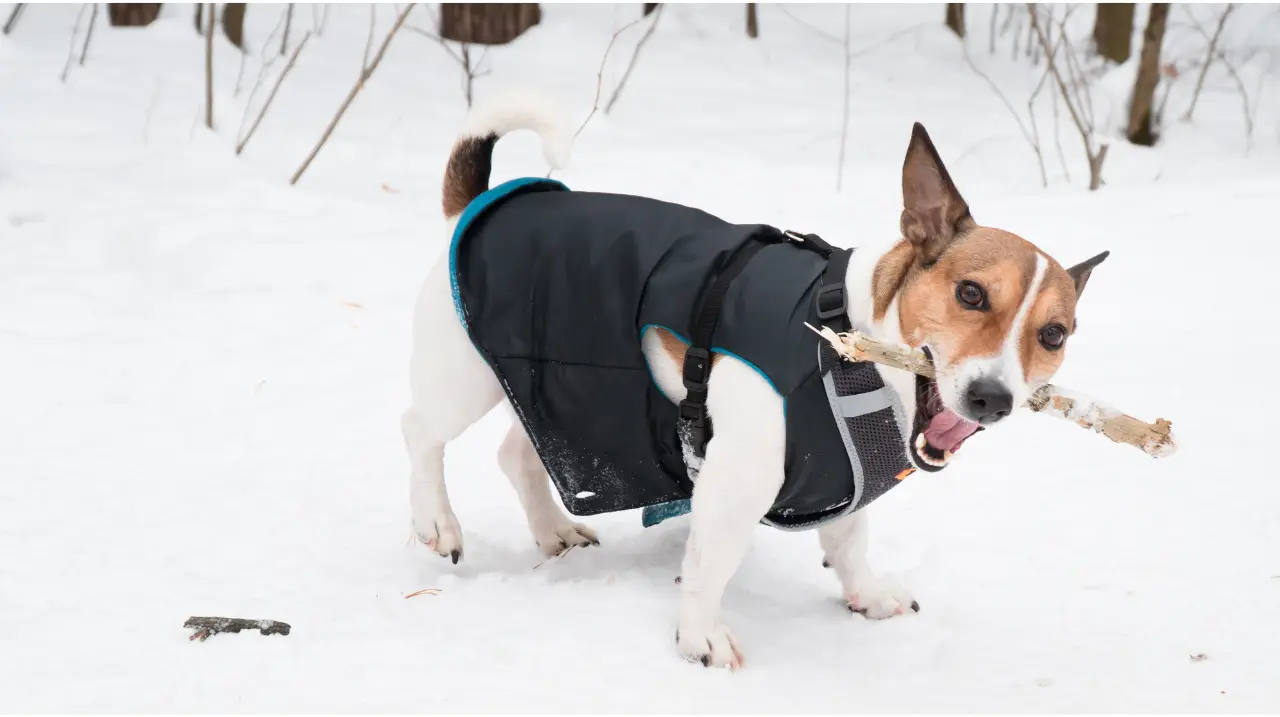
4. Weekend trips with a dog or cat. Traveling at your pet’s pace
Weekend trips with a dog or cat are becoming an increasingly popular way to spend free time. Small dogs and cats often cope very well with short journeys, as long as they are properly planned and adapted to their needs. A sense of security, a predictable daily rhythm, and constant closeness to the caregiver play a key role here.
For the animal, a trip is primarily a change of environment, scents, and everyday routines. When this change is accompanied by calmness, familiar rituals, and the option to withdraw if needed, traveling can become a positive experience rather than a source of stress.
The best solutions are those that minimize sensory overload, such as:
-
pet-friendly accommodations where animals are a natural part of the offer,
-
quiet locations outside city centers, with access to greenery or nature,
-
a flexible daily plan that responds to the pet’s needs instead of following a rigid schedule.
It is worth remembering that a weekend with a pet is not a checklist of attractions to complete. It is mainly about being together in a new place, enjoying calm walks, resting, and building positive associations with traveling. Such trips support the relationship and make dogs and cats more willing to adapt to future shared journeys.
5. Slow urban walks. Calmly discovering the city with a small pet
Slow urban walks with a dog or cat focus on mindfulness, calmness, and adjusting the pace to the animal. Not every shared activity needs to be dynamic or intense. For many small dogs and cats, walks that allow stopping, observing the surroundings, and gradually adapting to urban stimuli are far more valuable.
The slow approach works particularly well for:
-
sensitive and anxious animals that are easily overstimulated,
-
senior dogs and cats that need a calmer pace and more frequent breaks,
-
pets that are still learning the city, for whom noise, movement, and smells are new experiences.
During such walks, the absence of time pressure is essential. The animal can decide when to stop, sniff, sit down, or simply observe the environment. This type of walk supports natural self-regulation mechanisms, lowers stress levels, and teaches coping with stimuli in a safe way.
Slow walks are not only a form of movement but also a tool for building trust and a sense of control in the animal. Practiced regularly, they help small dogs and cats function in the city without stress or pressure, while allowing the caregiver to better read their pet’s signals and adjust activities to real needs.
6. Traveling by public transport. Buses, trams, and trains with a four-legged companion
Traveling by public transport with a dog or cat is a daily reality for many caregivers. Commuting to work, visiting the veterinarian, or meeting friends often requires using buses, trams, or trains. Although public transport may seem challenging for an animal, when introduced properly it can become a neutral or even calm experience.
Gradual habituation is crucial. Short rides, repeated routes, and predictable situations help the animal understand that the journey has a beginning and an end and does not involve danger.
Regular shared rides:
-
teach adaptation to changing environments,
-
increase the confidence of small dogs and cats,
-
give caregivers greater independence and freedom of movement around the city.
From the animal’s perspective, the biggest challenge in public transport is sensory overload. Noise, unfamiliar smells, and close proximity to people and other animals can be overwhelming. This is why limiting stimuli and providing a way to calm down is so important. In this context, a carrier for a dog or cat works extremely well as a safe, portable comfort zone.
A carrier allows the pet to:
-
hide from excessive stimulation,
-
maintain close contact with the caregiver,
-
keep a stable body position during the ride.
As a result, public transport with a small pet stops being a source of stress and becomes a natural part of a shared lifestyle. A well-prepared animal adapts more quickly to urban realities, and everyday rides no longer disrupt its sense of security.
In the long term, traveling together by public transport builds resilience to change, teaches calmness, and strengthens the bond between pet and caregiver, based on trust, predictability, and closeness.
7. At-home activities. Time just for the two of you
Not every activity with a small pet has to take place outside the home. At-home activities with a dog or cat are just as important as walks or trips, and for many animals they are essential for a sense of security and emotional stability. Home is a pet’s natural base, the place where it is easiest to calm down, learn, and build a relationship with the caregiver.
Shared, calm rituals in the home environment strengthen the bond and send a clear signal that the caregiver’s attention does not depend on exciting surroundings or intense stimuli, but simply on being present together.
Valuable at-home activities with a small dog or cat include:
-
scent games that engage natural instincts,
-
calm petting sessions or gentle touch that regulate emotions and reduce stress,
-
learning simple commands or exercises that support focus and communication,
-
observing the world from a balcony or through a window, providing visual stimulation in a safe and controlled way.
For small dogs and cats, these activities are often more valuable than intense physical exercise. They support emotional self-regulation, strengthen a sense of control over the environment, and teach calm functioning within the daily rhythm.
From the animal’s perspective, at-home activities with the caregiver deliver a clear message: the relationship is stable and predictable. This predictability makes the pet feel safe, more willing to cooperate, and better able to cope outside the home, during walks, travel, or in new places.
In practice, time spent together at home becomes the foundation for all other activities. Without pressure and without excessive stimulation. Simply together.
8. Meetings with other animals. Socialization of small dogs and cats
Controlled meetings with other animals are an important part of the social life of small dogs and cats. For a pet, this is not just play. It is learning communication, reading body language, and building confidence around peers. Regular, positive socialization reduces stress during encounters with unfamiliar animals and supports adaptation to different environments.
When organizing such meetings, it is worth keeping a few rules in mind:
-
choose calm companions that are accustomed to interacting with other animals,
-
select neutral locations such as gardens, parks, or fenced walking areas to avoid territorial behavior,
-
focus on short and controlled interactions, allowing the pet to gradually get to know others in safe conditions.
The goal is not intense play or forcing contact, but building positive experiences. Safe coexistence with other animals supports social and emotional development. These meetings also help pets learn emotional control, patience, and behavioral regulation, which are important both at home and during walks or trips.
For the caregiver, this is also an opportunity to observe the pet’s reactions, learn how to respond appropriately, and build confidence, not only in the animal but also in themselves as a guide. Regular, mindful interactions with other animals contribute to the healthy development of small dogs and cats, improve social relationships, and make everyday life in the city or while traveling easier.