
November 19, 2025
How to prepare a dog or cat for trip?
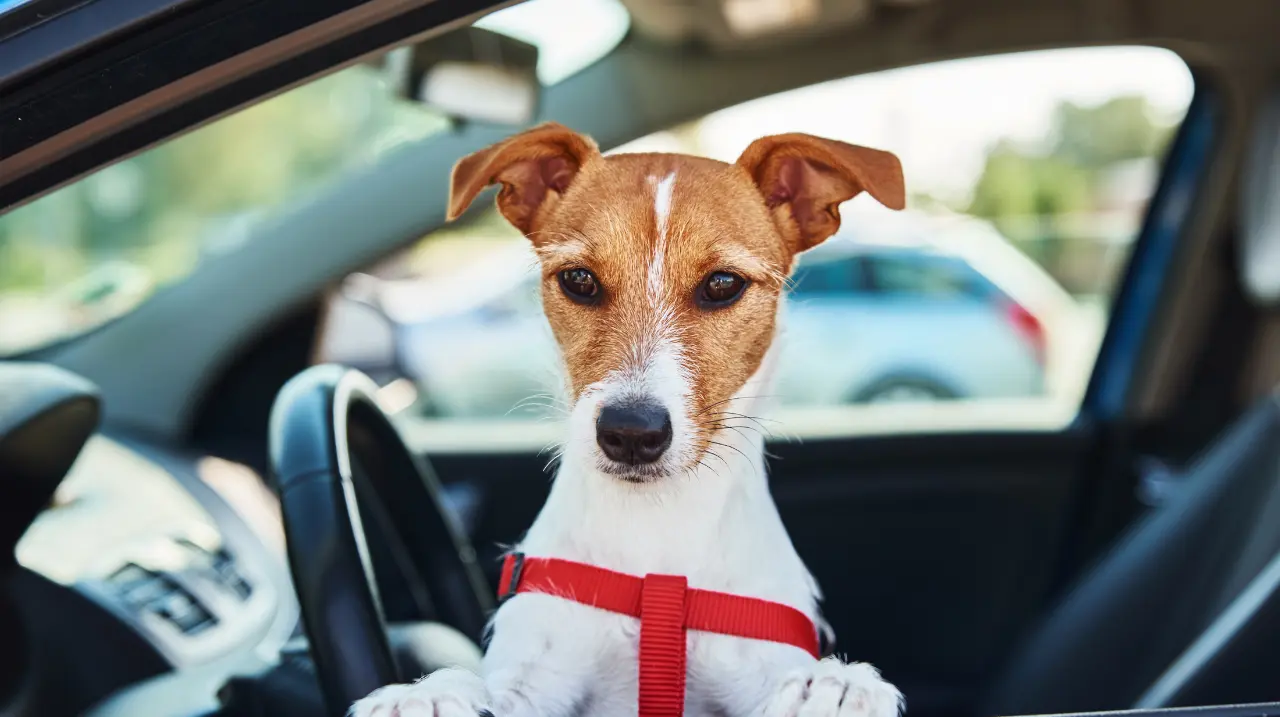
Thanks to a well-prepared guide, traveling with a pet can be not only safe but also enjoyable and relaxing. You don’t have to worry about sudden incidents or your pet’s stress – proper preparation provides a sense of control and peace on the road.
In this article, you’ll find practical tips tailored to different modes of transportation – car, train, or airplane – as well as detailed information on how to choose the perfect carrier for your pet, pack a travel bag, and establish a comfortable travel routine for your dog or cat. With this guide, your journey will become a harmonious experience in which both you and your pet feel confident and safe.
Additionally, you’ll find advice to help you anticipate potential challenges and effectively resolve them before they become problems on the road. From technical travel considerations to your pet’s psychological preparation, and even specific accessories available at Liletink.pl – everything you need to make your trip as comfortable and stress-free as possible.
Choosing a carrier – tailored to the length of the trip
Selecting the right carrier is a key element of any journey with a pet. A well-chosen carrier not only ensures safety but also provides comfort and peace of mind for your pet, regardless of the trip’s duration. Not every carrier is suitable for every situation, so it’s worth paying attention to a few important criteria.
Carrier size – comfort and freedom of movement
The most important thing is that your pet can stand, sit, and even turn around inside the carrier. A carrier that is too small restricts movement, causes discomfort, and increases stress during the trip. Conversely, one that is too large may allow your pet to shift around inside, which can be dangerous in a car or train. Measure your pet and choose a carrier with a little extra space – just a few centimeters on each side are sufficient.
Material type – comfort and functionality
At Liletink, you’ll find a wide selection of carriers, including lightweight and soft bags ideal for short and medium trips. The material should be durable, easy to clean, and pleasant to the touch. For cats, soft fleece or mesh carriers are often chosen, providing good ventilation. For dogs, carriers with reinforced bottoms and extra padding are recommended so your pet can rest comfortably during travel.
Ventilation and safety – a top priority
Proper ventilation is key to your pet’s comfort, especially on warmer days. Ensure the carrier has vents on all sides, allowing your pet to breathe freely and observe its surroundings, which helps reduce stress. Also, check the sturdiness of zippers and fastenings – your pet should not be able to open the carrier on its own during the journey.
Trip duration – choose a carrier according to travel time
Short trips to the store or the vet don’t require special features – a small carrier is sufficient to keep your pet safe. For medium-length journeys, carriers with pockets for treats and small accessories are recommended. For longer trips, carriers with soft padding that can be secured with car seat belts are ideal. Long journeys may also require carriers with additional features, such as accessory pockets or a leash attachment for your pet.
Additional practical tips
-
Carrier type according to pet – cats usually feel more comfortable in top-opening carriers, while dogs prefer models with a wider opening.
-
Ease of transport – pay attention to shoulder straps or backpack-style carriers, especially if you plan on walking or using public transport.
-
Removable padding – makes cleaning and maintaining hygiene easier during long trips.
By choosing a carrier according to the above criteria, you’ll ensure your pet’s comfort and safety, making travel an enjoyable experience rather than a source of stress.
Table 1. Carriers according to trip length
| Trip Duration | Carrier Type | Features and Benefits |
|---|---|---|
| Short trips (up to 30 min) | Small, lightweight carrier | Easy to carry, provides safety and comfort, ideal for short journeys |
| Medium trips (30 min – 2 hrs) | Carrier with pockets and soft padding | Allows storage of treats and favorite toys, easy to secure in a car |
| Long trips (over 2 hrs) | Carrier with extra features and reinforced bottom | Removable padding, can be secured with seat belts, pockets for accessories and snacks, greater comfort for your pet |
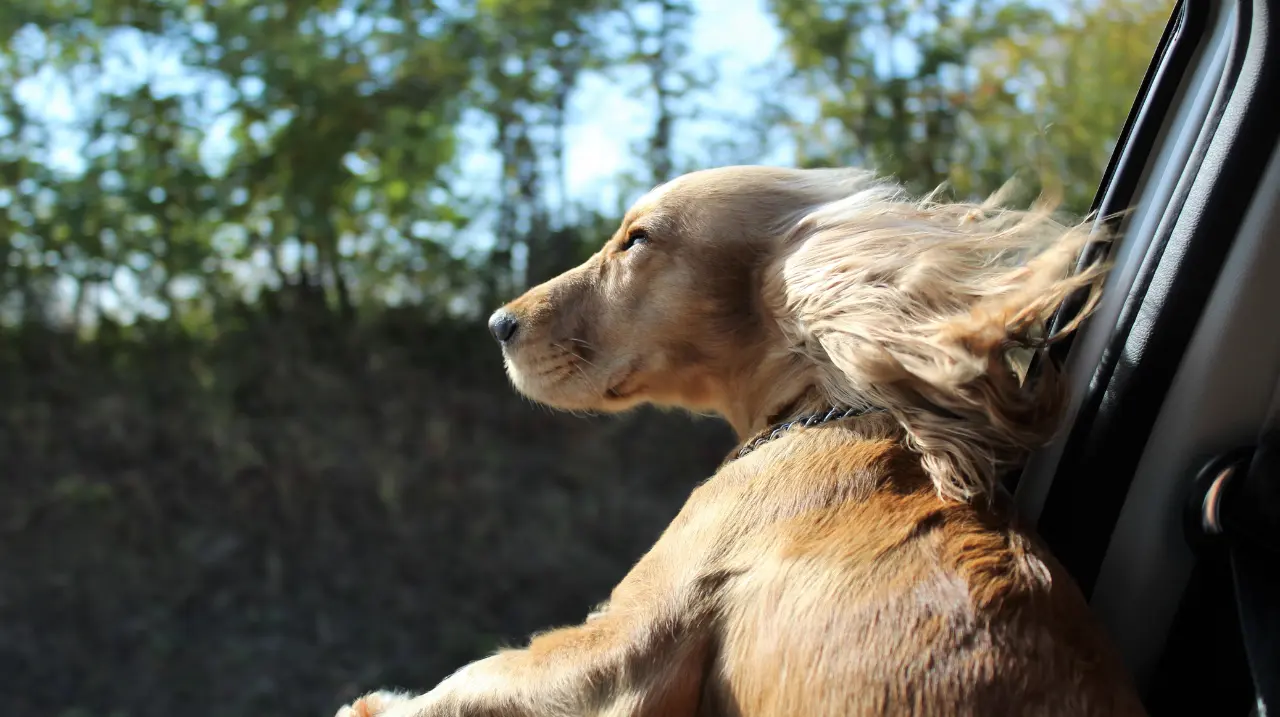
Safe transportation of pets in different modes of travel
Traveling with a pet requires following specific safety rules, which vary depending on the mode of transportation. Proper preparation ensures not only the protection of your pet but also comfort and peace of mind for everyone traveling together.
Car – comfort and safety on the road
The car is the most common way to travel with a pet, but it requires special attention.
-
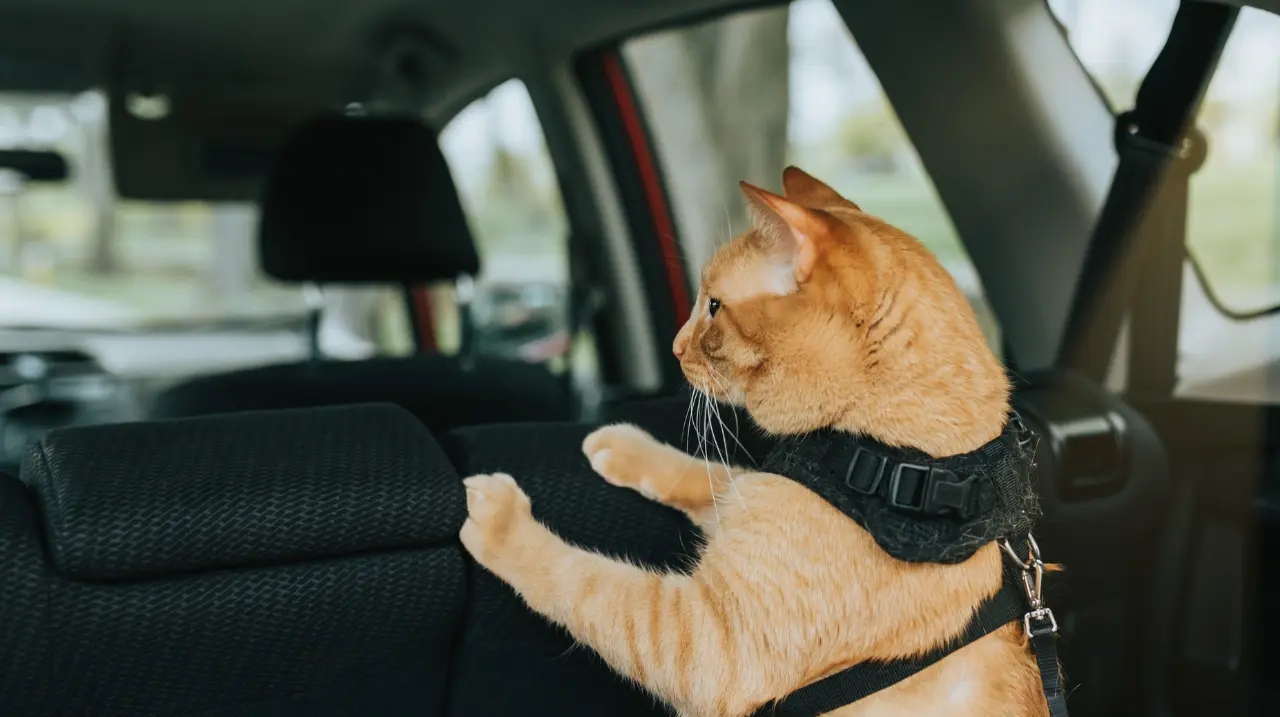
Seat belts and carrier securing – the safest way to transport your pet in a car is to secure the carrier with seat belts or use dedicated pet safety harnesses. This protects your pet in case of sudden braking or collisions and prevents them from moving around the car, which can distract the driver.
-
Regular stops – for longer trips, it’s recommended to stop every 2–3 hours so your pet can drink water, relieve themselves, and stretch their legs. Keep portable bowls and water handy, and for dogs especially, a leash for short walks.
-
Temperature control – cars heat up very quickly, even on mild days. Never leave your pet alone in the car, especially in a closed carrier. Ensure proper ventilation and avoid traveling during the hottest hours of the day.
-
Quiet and calm zone – to reduce stress from noise, you can cover the carrier with a light blanket, which provides a sense of security and limits excessive stimuli.
Train – comfort in collective travel
Traveling by train requires considering both the carrier’s regulations and your pet’s comfort in a new environment.
-
Ticket and carrier regulations – some carriers may require purchasing a ticket or paying a fee for your pet. Check in advance for weight limits and whether a carrier of specific dimensions is required.
-
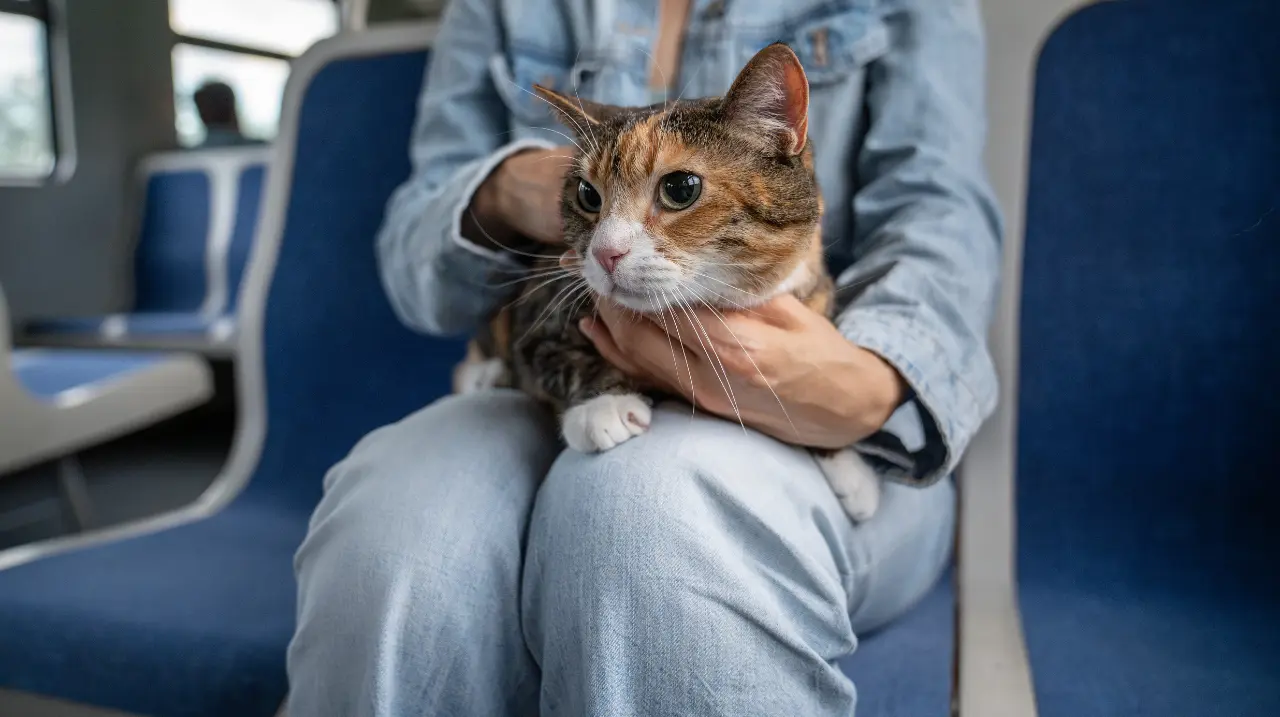
Carrier in the carriage – pets must travel in a carrier or transport box placed under the seat or in a designated area. The carrier should be stable and easy to open if needed.
-
Stress reduction – trains can be noisy with many people and the sound of tracks. Bringing a favorite blanket, toy, or treats helps your pet feel more secure. For cats, Liletink carriers work great as they allow them to observe their surroundings while still providing a sense of protection.
Plane – long-distance travel
Air travel is the most challenging way to transport pets, so it requires careful preparation.
-
Cabin transport – small pets up to 8 kg can usually travel in the cabin in a special carrier that fits under the passenger seat. The carrier should be stable and comfortable, with soft padding so the pet can lie down comfortably.
-
Documents and vaccinations – before the flight, make sure to check the carrier’s requirements for documents such as the pet passport, up-to-date vaccinations, and veterinary certificates. Keep them handy in your carry-on bag.
-
Calming measures and adaptation – for pets prone to stress, consider calming supplements after consulting your veterinarian. It’s also practical to familiarize your pet with the carrier at home or simulate airplane noise before the trip.
-
Maintaining hygiene during the flight – prepare a small bag with paper towels, waste bags, and wet wipes in case of accidents during a long flight.
Additional universal tips
-
Always carry water and treats, regardless of the mode of transport.
-
Observe your pet’s behavior – anxiety, heavy panting, or trembling may indicate the need for a break or attention. Nervousness can also signal discomfort or motion sickness.
-
Bring waste bags – especially for stops and pet-friendly hotels.
-
Secure the carrier in the car so it doesn’t move during the ride. The carrier should be firmly attached and stable to minimize the risk of tipping or shifting during travel.
What to pack in a dog or cat travel bag
Traveling with a pet requires preparing a travel bag containing all the essentials. Here’s a list of must-haves:
-
Water and collapsible bowl – ensure your pet has constant access to water.
-
Treats and food – favorite snacks help keep your pet calm.
-
Favorite blanket or toy – the scent of home provides a sense of security.
-
Documents – health book, passport, vaccination information.
-
Hygiene items – waste bags, paper towels, and wipes in case of messes.
Table 2. Travel bag checklist for dogs and cats
| Item | Purpose | Practical notes |
|---|---|---|
| Water and collapsible bowl | Keeping your pet hydrated | Always keep handy during stops and throughout the trip |
| Favorite treats | Positive reinforcement and rewards | Helps reduce stress and rewards calm behavior |
| Blanket or pillow from home | Providing a sense of security | A familiar scent reduces stress and anxiety in new environments |
| Favorite toy | Distraction and entertainment | Especially useful on trains or airplanes |
| Documents and pet passport | Formalities for train or plane travel | Check carrier requirements and vaccination validity |
| Wet wipes / paper towels | Hygiene during travel | Useful in case of unexpected situations |
How to acclimate your pet to travel and new environments
Traveling with a pet is often a completely new experience for them, which can cause stress, anxiety, or even fear. Proper psychological preparation is just as important as choosing the right carrier or travel bag. There are many proven methods to help a dog or cat acclimate to new surroundings, reduce stress, and ensure a comfortable journey.
Gradual familiarization – key to a calm trip
Before you set off, allow your pet to spend time in the carrier at home. You can also place the carrier in your pet’s favorite spot and let them enter voluntarily. Place a favorite blanket or toy inside so the space is associated with comfort and safety. Additionally, you can gently close the carrier door for a few minutes while observing your pet’s reactions, gradually increasing their sense of security.
Short practice – small steps to a big adventure
Start with short trips, for example, to the store or around the neighborhood. This helps your pet get used to movement, vehicle sounds, and environmental changes. Over time, gradually increase the distance, observing how your pet reacts to each new situation. Regular short exercises reduce stress and build your pet’s confidence.
Positive reinforcement – rewarding calm behavior
Treats, verbal praise, or gentle petting are excellent ways to reinforce positive behavior. Each time your pet calmly enters the carrier or remains relaxed during travel, reward them. This helps them associate travel with something pleasant rather than stressful. Interactive toys can also be used on longer trips to distract from stressful stimuli.
Home scent – sense of security in a new environment
Bringing a favorite blanket, pillow, or toy from home is a simple way to reduce stress. A familiar scent has a calming effect and helps your pet feel more secure in an unfamiliar environment. This is especially important during train or plane travel, where surroundings are new and full of stimuli.
Calming measures – support in special situations
For particularly anxious or nervous pets, consider calming products available in pet stores or after consulting a veterinarian. These can include pheromone sprays, natural supplements, or herbal remedies. However, these products should be used as support, not as the primary method for managing stress.
Additional adaptive strategies
-
Establish a travel routine – introduce a consistent sequence of travel preparations, e.g., packing the bag, placing your pet in the carrier, and a short play session before departure. A familiar routine gives your pet a sense of security.
-
Gradual exposure to new environments – if the trip involves an overnight stay at a hotel or friends’ house, let your pet explore the new place under your supervision first.
-
Quiet and calm – avoid excessive stress and chaos while packing or boarding the vehicle; pets pick up on your emotions and respond to them.
With proper psychological preparation, traveling with a pet can become an enjoyable, stress-free adventure in which your pet feels safe and you can be confident in their comfort.
FAQ – most common questions about traveling with a dog or cat
Can a dog travel on a passenger’s lap in the car?
This is not recommended. Dogs should travel in a carrier or use a dedicated pet seat belt. This prevents injuries in case of sudden braking and reduces the risk of accidents for both the pet and passengers. Additionally, a loose dog can distract the driver, increasing the risk of collisions.
How long can I leave my pet in the car during a stop?
Never leave your pet in a hot car, even for a few minutes – temperatures rise quickly and can be dangerous for your pet’s health. On cooler days, short stops may be possible, but always ensure ventilation and access to water. Ideally, plan your trip so someone can always look after your pet.
Can a cat travel without a carrier on a train?
No. Carriers are required for the safety of both the pet and passengers. A carrier protects the pet and reduces stress by providing a safe and stable place during travel.
How can I minimize my dog’s stress during a flight?
The most effective methods include familiarizing your dog with the carrier, bringing favorite toys and treats, and consulting a veterinarian about calming products if necessary. Short practice sessions in home or car settings can also help your pet get used to confined spaces and new sounds.
How should I prepare my pet for a long car trip?
Ensure a comfortable carrier, regular breaks every 2–3 hours, access to water and treats, and a favorite toy or blanket. Observe your pet – if stressed, stop for a break to let them relax.
Can a dog travel on a train without a leash?
No. Even in a carrier, it’s best to have a short leash or harness, especially when entering or leaving the vehicle. This reduces the risk of escape and ensures full control in public areas.
What if my pet is extremely afraid of traveling?
Gradual familiarization with the carrier and short trips is key. Calming products or pheromones can help, as well as positive reinforcement through treats and praise. If stress is severe, consult a veterinarian or animal behaviorist.
Can a cat use the litter box during travel?
For short trips, this is not necessary. For longer journeys, bring a small portable litter box or absorbent mat, especially if your cat is used to using one at home. This prevents accidents and reduces stress.
How can I keep my pet safe during a gas station stop?
Never leave your pet alone in the car. If you go to refuel or shop, have someone stay with your pet. Short stops can be used for a quick walk. Always have water, treats, and a leash on hand.
Is traveling at night safe for pets?
Yes, if proper conditions are provided – a calm place in the carrier, no excessive noise, access to water, and regular breaks for long trips. Some pets tolerate night travel better due to quieter surroundings.
Summary – the highest level of traveling with your four-legged friend
Traveling with a pet requires careful planning, but a well-prepared trip can be a source of joy and great memories for both you and your pet. Key elements of a successful journey include:
-
Choosing the right carrier – ensures safety and comfort for your pet in any mode of transport, from car to train to plane.
-
Packing a travel bag – water, food, favorite treats, a blanket, and documents are essential for every trip.
-
Acclimating your pet to new environments – gradual familiarization with the carrier and short trips, positive reinforcement, and toys reduce stress and make travel enjoyable.
-
Following safety rules – regardless of the transport mode, your pet’s and passengers’ safety is paramount. Secure carriers with seat belts, monitor car temperature, and know the regulations of transport providers.
A well-prepared trip guarantees peace of mind and comfort for your pet. With the right accessories and careful planning, even long journeys can be stress-free.
Want your pet to travel in full comfort and safety? Check out our offer:
-
Carriers for dogs and cats – lightweight, comfortable, and safe models, ideal for short and long trips.
-
Travel accessories for pets – travel bags, collapsible bowls, harnesses and leashes to make every trip easier.
With LileTink, every journey with your pet becomes a pleasure – your pet feels safe, and you can relax knowing they are comfortable.
