
November 30, 2025
Practical and comfortable accessories for cats

Accessories for carrying and transporting cats are gaining increasing popularity, especially among owners who lead an active lifestyle and spend a lot of time away from home. There are two main types of gadgets used for this purpose – carriers and bags. The first resemble handbags worn over the shoulder and are ideal for walks. The second group includes bags and transporters, allowing you to spend more time with your pet since you can take them literally anywhere. It is important that cat carriers are practical and make it easy to carry our furry friends, while also being comfortable for them. In this article, we will explain why it is worth investing in a carrier and what to consider when choosing such accessories.
Modern equipment for cats – why choose high-quality accessories?
Here’s why carriers, such as those offered by LileTink, are currently one of the most versatile and practical solutions for cat and small pet owners:
-
Polish production and attention to quality – carriers are made in Poland with the highest possible craftsmanship and using high-quality materials.
-
Variety of sizes – models are available in at least two sizes: “S” for pets up to approx. 3 kg and “M” for pets weighing around 3–8 (up to 10) kg. This allows the bag to fit both a small kitten and a medium-sized cat.
-
Functionality and comfort – LileTink bags feature adjustable straps, allowing them to be worn on the shoulder, back, or front. The interior is often padded, sometimes with a detachable cushion (e.g., in the “GRAF” model), enhancing pet comfort.
-
Safety – a stable structure, very durable materials, strong seams and fastenings, and an internal leash to secure the pet are elements that minimize the risk of your cat “jumping out” of the bag.
-
Aesthetics and style – LileTink presents its carriers not only as practical accessories but also as fashionable items. Bags are designed with modern design in mind, which for many owners is an added value: the carrier becomes part of everyday style.
-
Versatility of use – these types of bags/transporters are useful not only during walks but also in travel (car, public transport, trips), vet visits, moving, or whenever you need to carry your pet outside the home.
Thanks to this, even owners of cats that normally dislike travel or are shy gain comfort, mobility, and a sense of security for both themselves and their pets.
Why a cat carrier?
Bags and cat carriers are not only a convenient way to transport our pets, but they also provide safety and comfort-for both us and our feline friends. They are perfect for travel thanks to specially designed straps and fastenings. A cat travel bag is properly secured, reducing the risk of accidents as well as escapes.
It is also worth equipping such a carrier with a soft bed for the cat, giving the animal a chance to rest during longer trips. This feature is especially beneficial for pets recovering from veterinary procedures. Another important aspect is, as previously mentioned, comfort. For many cats, traveling in a vehicle or in a carrier on the owner’s shoulder can be stressful. A cat carrier provides a cozy space where the pet can hide and feel secure when needed, which is particularly useful in new environments or crowded areas.
Mobility is also essential. These types of accessories should allow you to take your cat with you everywhere-whether on daily walks, longer outings, or trips.
Key advantages of modern carriers – comparison table
| Feature | Benefit for the Cat | Benefit for the Owner |
|---|---|---|
| Soft interior | Reduces stress and vibrations | Calmer journey |
| 360° ventilation | Continuous airflow | Prevents overheating |
| Reinforced structure | Stability during movement | Peace of mind that the cat is safe |
| Strong fastenings | Prevents escape | High level of safety |
| Adjustable straps | Fits the cat’s body | More comfortable to carry |
| Additional pockets | Storage for small items | Keeps things organized and convenient |

Carrier for dog and cat GRAF plus
How to choose the right cat carrier?
When selecting a cat carrier, it’s important to consider several key factors to ensure maximum comfort and convenience for your pet.
-
Size – the bag should be spacious enough and appropriately sized for your cat.
-
Durability – choose a carrier made from high-quality materials with strong stitching or reinforced seams.
-
Additional features – adjustable straps or handles for lifting, as well as hooks or slots for seat belts, ensure the carrier can be securely fastened in a car.
-
Easy cleaning – removable elements and a washable bed make it simple to maintain hygienic conditions.
-
Extra storage – carriers with additional compartments allow you to store treats, toys, or other small accessories.
What else to consider when choosing a carrier?
To ensure maximum comfort for your cat, also pay attention to the following aspects:
Stiffness of the base and replaceable inserts
A stable, reinforced base is crucial for your cat to feel secure during travel or carrying. Soft, sagging surfaces can increase stress and cause the cat to slide to one side during movement. A replaceable base makes cleaning easy — simply remove the insert to wash or replace it, which greatly improves hygiene and comfort.
Level of visibility (mesh, windows, transparent panels)
Visibility significantly affects a cat’s sense of security. Some cats prefer a slightly darkened space that limits external stimuli, while others feel safer observing their surroundings. Choosing a carrier with mesh panels or windows ensures airflow and allows both the cat and owner to monitor the environment.
Access from multiple sides
Carriers that open only from the front often make it difficult to place a nervous or stressed cat inside without forcing them. Additional top or side access allows for gentle handling. During vet visits, being able to open the carrier from several sides makes examinations much easier without forcibly removing the cat.
Water-resistant material
Water-resistant fabrics protect against rain and unexpected situations during travel, such as spilled liquids or stress-related “accidents.” This feature also makes the carrier easier to clean, and prevents unpleasant odors from being absorbed, which is especially useful during long trips.
Weight of the carrier
A lightweight carrier reduces strain while carrying your cat, which is especially important for longer distances or larger breeds. At the same time, it should be sturdy enough to maintain stability and durability. Modern materials combine lightness with strength.
Compatibility with trolleys or suitcases
If you travel frequently, look for a carrier that can be mounted on a suitcase or attached to a trolley. Trolley straps or special clips reduce the load on your arms and make moving around airports, train stations, or large spaces much easier. This is particularly helpful for older individuals or those with less physical strength.
Ease of folding and storage
Foldable carriers are ideal for small apartments or for owners who don’t use the carrier daily. Being able to fold it flat makes storage simple — in a closet, under the bed, or in a drawer. At the same time, modern designs retain full rigidity and stability when in use, despite their compact form when folded.
Choosing a carrier that meets these criteria ensures your cat enjoys comfort, stability, and security on every journey.
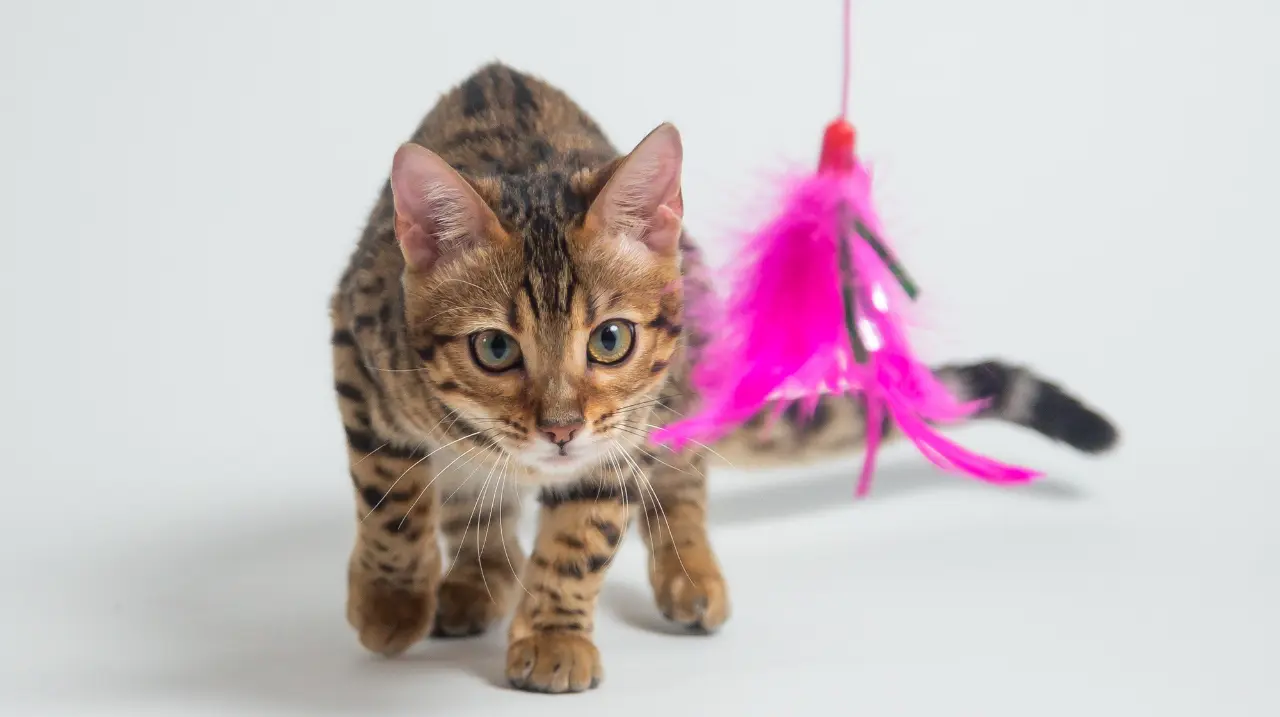
Cat toys – why they are essential
Cat toys serve a much greater purpose than mere entertainment. They are fundamental tools that support the proper physical, emotional, and behavioral development of your pet. Cats, regardless of age, retain their natural hunting instincts — fulfilling these instincts helps prevent boredom, stress, and even destructive behaviors such as scratching furniture, nighttime meowing, or frustration-induced aggression. Well-chosen toys allow cats to expend energy, improve agility, coordination, and focus, while also strengthening the bond between owner and pet.
It is important to provide a variety of toys. Each cat has different preferences, so your home should include both moving toys (feather wands, pom-poms, tassels) and interactive toys (treat-dispensing balls, scent mats, electronic toys). Toys that move unpredictably best mimic the natural behavior of prey, fully engaging your cat. Intellectually stimulating toys are especially recommended for indoor cats — they encourage problem-solving and cleverness while motivating physical activity. Rotating toys every few days keeps them interesting and ensures your cat remains engaged with new stimuli.
Most popular types of cat toys:
-
feather wands,
-
sensory balls,
-
fabric tunnels,
-
interactive toys,
-
obstacle courses,
-
puzzle toys (scent mats, brain-teaser puzzles).
How to actively spend time with your cat
Active play with your cat is not just fun – it is an investment in their mental health, physical fitness, and longevity. Cats thrive on routine, so it’s worth establishing a daily schedule of short play sessions. Just 2–3 sessions of 5–10 minutes of interactive play per day can significantly reduce stress and improve your pet’s well-being. Key is to mimic the “hunt–catch–eat–rest” cycle that corresponds to natural predatory behavior.
Practical ways to engage your cat:
-
Wands and string toys – simulate the movements of birds or rodents, encouraging jumping, sprinting, and hunting behavior.
-
Cardboard obstacle courses – perfect for exploration and hide-and-seek play.
-
Cat tunnels – strengthen tracking instincts and provide a sense of security.
-
Scent toys – mats, boxes with holes, or treat containers for stimulating the sense of smell.
-
Laser pointers – effective when combined with a tangible reward at the end, such as a treat or a toy the cat can catch.
-
Gentle petting and brushing sessions – a calm way to spend time together, reduce tension, and build trust.
For highly energetic cats, agility exercises such as mini obstacles, small jumps, or climbing tracks work well. For calmer cats, brain games and puzzle toys enhance concentration and help relieve stress without intense physical exertion.
It is also important to provide your cat with space for activity, regardless of your apartment’s size. Shelves, scratching posts, towers, or cat trees allow cats to satisfy their natural need to climb and observe their surroundings from above. The more varied the environment, the healthier, calmer, and happier the cat.
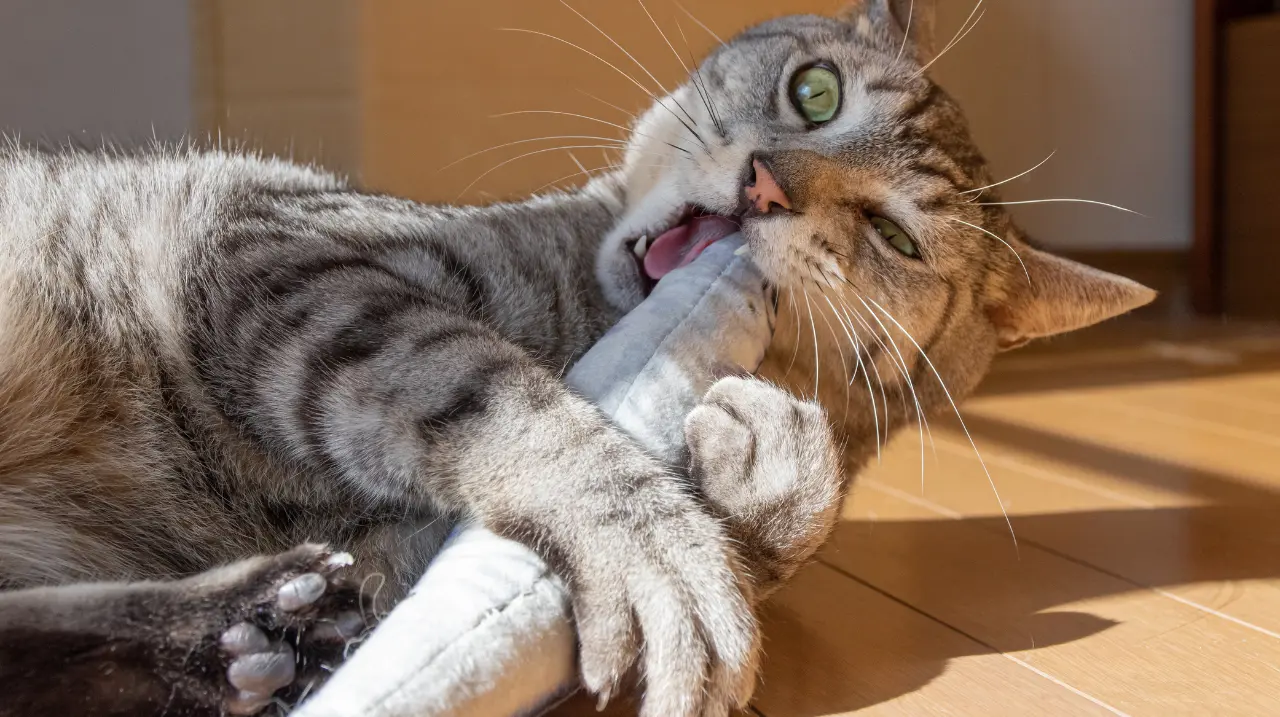
FAQ – most frequently asked questions about the best cat accessories
| Question | Answer |
|---|---|
| Which carrier is best for a cat that is afraid of traveling? | For timid cats, carriers with enclosed sides and limited visibility are ideal. They create a safe, cozy space that acts like a cockpit—isolating the cat from excess stimuli and noise. It is also worth choosing a model with a soft cushion, a stable base, and good ventilation. A good idea is to “familiarize” the cat with the carrier at home by leaving it open with a blanket and treats, so the cat enters voluntarily and associates it positively. |
| How to prepare a cat for its first trip in a carrier? | Adaptation should start several weeks before the trip. Place the carrier in a visible location and put the cat’s favorite toy, blanket, or something with the owner’s scent inside. Reward the cat for voluntarily entering the carrier so that visits are associated with positive experiences. Short, trial car rides are also recommended—gradual exposure reduces stress on the actual travel day. |
| Which toys best support a cat’s development? | The most valuable toys engage both body and mind. Wands simulate the natural movements of birds or rodents, helping satisfy hunting instincts. Scent mats and puzzle toys improve concentration and teach patience. Interactive toys (e.g., self-moving mice) develop reflexes and stimulate curiosity. Rotation of toys is key—regular changes keep engagement high. |
| How much time should be spent playing with a cat daily? | The minimum recommendation is 20–30 minutes of active play per day, ideally divided into 2–3 sessions. For very energetic cats, playtime can be extended to 40–50 minutes. Consistency is key—a daily routine reduces stress, improves fitness, and prevents behavioral problems. Play should always end with “catching the prey,” i.e., a reward, so the cat completes its natural hunting cycle. |
| Which accessories, besides toys and carriers, are worth having for a cat? | Besides a carrier and toys, your home should include: – A sturdy scratching post, preferably several in different locations – High shelves or a cat tree for observation from above – Slow feeder bowls to prevent overeating – A cooling mat for summer and a warm bed for winter – A brush suitable for the cat’s coat type – A water fountain to encourage drinking and support kidney health A complete set of accessories improves the cat’s comfort and prevents boredom. |
| Can a cat travel in a carrier on a bus or train? | Yes—most public transport allows cats, provided they are in a closed, secure carrier. It is important to check the specific carrier’s regulations, as some may require an additional fee or specific carrier dimensions. The carrier should be stable, properly closed, and well-ventilated. |
| How to maintain a carrier or transporter to keep it hygienic? | Regular cleaning is essential, especially if the carrier is exposed to fur, litter, or moisture. Models with removable cushions are most convenient since the bedding can be machine-washed. Wipe the interior with a damp, unscented cloth, and for longer trips, use disposable hygiene pads. Every few months, check zippers, mesh panels, and straps to ensure nothing accidentally opens. |
| How to recognize if a cat is uncomfortable in a carrier? | Signs of discomfort include loud meowing, heavy breathing, trembling, desperate attempts to escape, or a crouched, tense body posture. If such behaviors persist, consider switching to a more enclosed or soft carrier and repeat the familiarization process—slowly, calmly, and with plenty of rewards. |
Well-chosen cat accessories – from comfortable carriers and functional transporters to engaging toys – have a real impact on your pet’s daily comfort and safety. They support both physical and emotional needs, making it easier for the owner to provide care and enjoy shared activities. Choosing products made from high-quality materials allows you to create a stimulating environment for your cat while ensuring stability and calm during travel or vet visits. The better you match accessories to your pet’s temperament and habits, the more harmonious and stress-free your daily life will be. By taking care of these elements, you gain not only convenience but, above all, your cat’s health, balance, and sense of security.
A cat carrier is not just a practical accessory – it is also a guarantee of safety, comfort, and mobility. Accessories with these features are ideal for both you and your pet. With the right carrier, you can take your furry friend with you wherever you go. Therefore, if you love traveling but cannot imagine a trip without your pet, a cat transporter bag is an absolute must-have.
